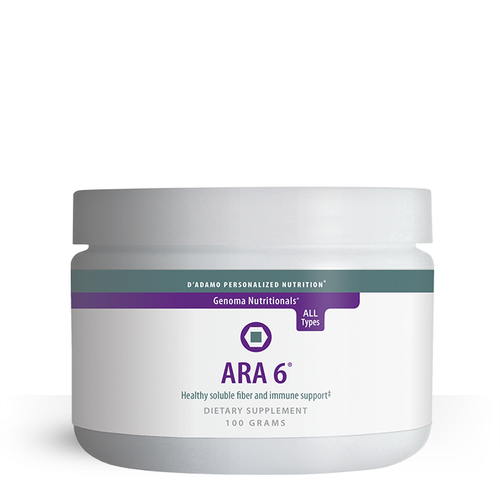
I was reading that ubiquitin should be balanced- as well as methylation- for certain blood groups - it is a problem my question is does ubiquinol cause Ubiquitination? what can we do to increase ubiquination, are there any foods/ supplements? Also how do you determine if you are a secretor or not?
Ubiquitin is a small regulatory protein that has been found in almost all tissues (ubiquitously) of eukaryotic organisms. It directs proteins to compartments in the cell, including the proteasome which destroys and recycles proteins.
---------------------------------
Ubiquitination is an enzymatic, protein post-translational modification (PTM) process in which the carboxylic acid of the terminal glycine from the di-glycine motif in the activated ubiquitin forms an amide bond to the epsilon amine of the lysine in the modified protein.
The process of marking a protein with ubiquitin (ubiquitylation or ubiquitination) consists of a series of steps: 1.Activation of ubiquitin: Ubiquitin is activated in a two-step reaction by an E1 ubiquitin-activating enzyme in a process requiring ATP as an energy source. The initial step involves production of a ubiquitin-adenylate intermediate. The second step transfers ubiquitin to the E1 active site cysteine residue, with release of AMP. This step results in a thioester linkage between the C-terminal carboxyl group of ubiquitin and the E1 cysteine sulfhydryl group. 2.Transfer of ubiquitin from E1 to the active site cysteine of a ubiquitin-conjugating enzyme E2 via a trans(thio)esterification reaction. Mammalian genomes contain 30-40 UBCs. 3.The final step of the ubiquitylation cascade creates an isopeptide bond between a lysine of the target protein and the C-terminal glycine of ubiquitin. In general, this step requires the activity of one of the hundreds of E3 ubiquitin-protein ligases (often termed simply ubiquitin ligase). E3 enzymes function as the substrate recognition modules of the system and are capable of interaction with both E2 and substrate.
In the ubiquitination cascade, E1 can bind with dozens of E2s, which can bind with hundreds of E3s in a hierarchical way. Other ubiquitin-like proteins (ULPs) are also modified via the E1–E2–E3 cascade.
GenoHarmonic Food Clusters (Optional) This field allows you to set a preference for the generation of the GenoHarmonic food clustering. GenoHarmonic food clustering is a special technique, which pairs foods together for their maximum epigenetic effects. • Compute Best: This allows SWAMI Xpress® to compute the best GenoHarmonic Clustering system for you. We recommend that you use this setting • Broad Genotrophic: This setting does a low level blend of all the following parameters • Enhance Global Methylation: This setting will emphasize food combinations that enhance methylation reactions, typically via DNA methyltransferase or by serving as a source of methyl donors. Good for inflammatory conditions and anti-aging strategies • Enhance Histone Function: This setting will emphasize food combinations that enhance histone deacetylase. Good for oncology management. • Enhance AGE Removal: This setting will emphasize food combinations that enhance glycation endproduct removal. Useful for metabolic syndrome, anti-aging and diabetic management • Ubiquitinylation: This setting will emphasize food combinations that enhance removal of cellular debris ubiquinine pathway and the Golgi apparatus. This enhances many cellular functions (membrane trafficking, cell signaling, cell cycle control, X chromosome inactivation and the maintenance of chromosome structure)
''Just follow the book, don't look for magic fixes to get you off the hook. Do the work.'' Dr.D.'98 DNA mt/Haplo H; Y-chrom/J2(M172);ISTJ The harder you are on yourself, the easier life will be on you!